
Salford rivals UK tourism hotspots as visitor economy hits £1.1bn
Visitor economy breaks £1 billion for second consecutive year with record £1.1 billion as Salford celebrates 100 years as a city.
5% year-on-year growth and an increase of more than 50% since 2019.
The city welcomed more than 8 million visitors, supporting almost 10,000 jobs.
Salford now rivals many of the UK’s most established mid-sized visitor destinations.
Centenary year shines a spotlight on the people, places and culture behind Salford’s progress.
A century after becoming a city, Salford has transformed from an industrial powerhouse to one of the UK's fastest-growing visitor destinations, reflected in its latest visitor economy figures revealing the city is now home to a £1.1 billion visitor economy as its centenary year shines a spotlight on the people, places and culture behind its progress.
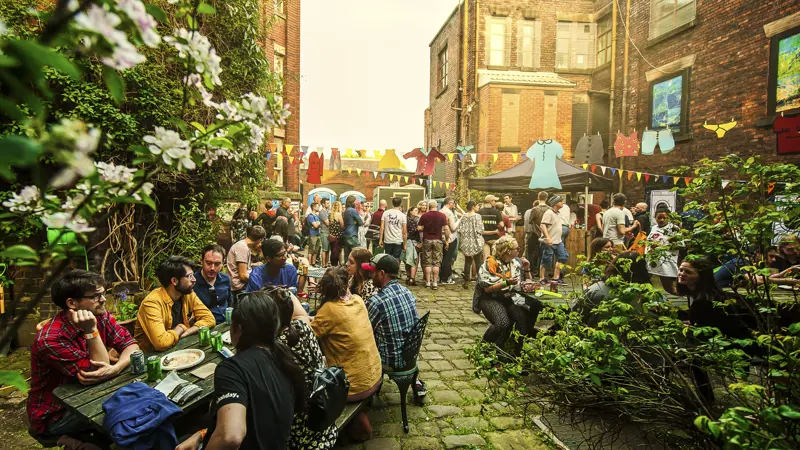
The figures tell the story of a city that has reinvented itself over the last century. From the waterfront destination of MediaCity and Salford Quays to Lowry, RHS Garden Bridgewater, major events, independent food and drink businesses and hospitality offer, Salford's visitor economy has grown by more than 50% since 2019.
Welcoming more than 8 million visitors, supporting almost 10,000 jobs and generating increasing economic impact, new Tourism Economic Activity Monitor (STEAM) data reveals how Salford has transformed into a dynamic destination reinforcing the city's reputation as a place where people want to live, work, invest and visit.
Breaking the £1 billion mark for a second consecutive year, Salford’s visitor economy is now comparable in scale to many of the UK’s most established heritage and visitor destinations, including places such as Bath, Cambridge and Chester and sits closely to cities like York and Oxford, widely recognised as some of the UK’s leading tourism hotspots.
As Greater Manchester's visitor economy reaches a record £13.5 billion, Salford continues to play an increasingly important role in the city-region's success accounting for almost one in every £12 generated by GMs visitor economy, helping to attract visitors, support businesses and create employment opportunities across the local economy.
The figures come as the city marks its centenary year through the Salford 100 programme, a year-long celebration of the people, places and stories that have shaped Salford since it was granted city status in 1926.
Councillor Hannah Robinson-Smith, Lead Member for Culture, Heritage, Sports and Leisure at Salford City Council, said:
“The latest figures are about much more than visitor numbers. They show how Salford's continued investment in culture, heritage, sport, green spaces and major events is delivering our city's long-term ambitions of creating jobs, attracting investment and supporting growth that benefits local people and communities.
“A century after becoming a city, we are now welcoming millions of visitors each year and generating a £1.1 billion visitor economy. From the iconic waterfront at MediaCity and Salford Quays to our world-class cultural attractions, sporting venues, heritage assets, events programme and thriving hospitality sector, Salford’s visitor economy plays a vital role in creating opportunities for our communities across the city and helping local businesses to invest, grow and thrive.”
Salford’s centenary year is the perfect time to explore the city’s rich heritage and vibrant cultural scene, with a programme of events celebrating 100 years since it was granted city status. Visitors can immerse themselves in history at Salford Museum and Art Gallery, wander back through time at the historic Ordsall Hall’s latest exhibition Your Salford 100 in Photographs or explore the working-class roots of LS Lowry at Lowry in Salford Quays, alongside contemporary exhibitions and theatre. The revitalised waterfront also offers scenic walks, waterside dining and MediaCity’s creative buzz, while green spaces like Peel Park provide a peaceful retreat. Centenary festivities bring the city to life with community events, performances, and exhibitions showcasing Salford’s diverse neighbourhoods, making it an ideal moment to experience both its proud past and dynamic present.